
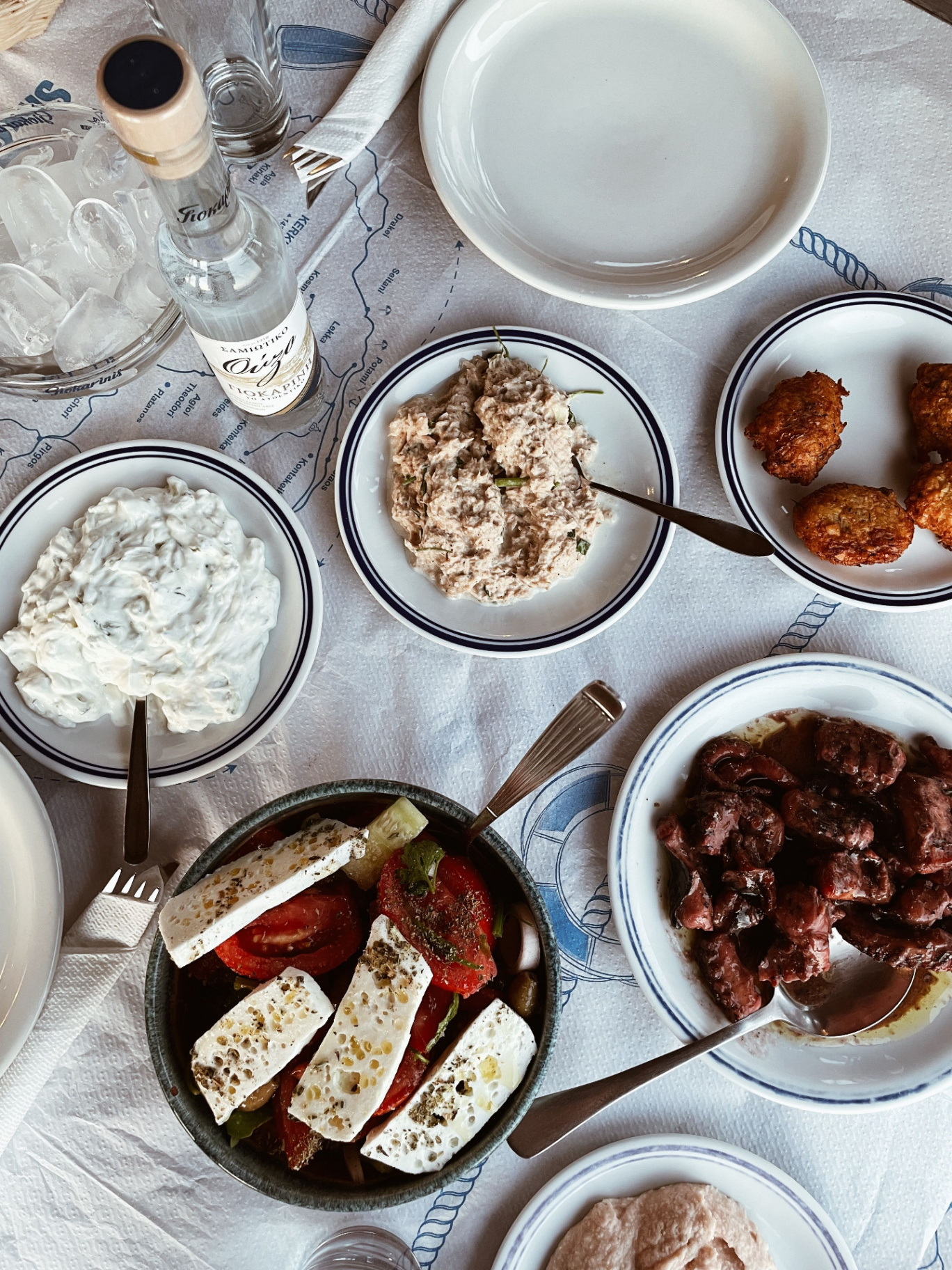
Food Experiences
Markets, tavernas, cooking classes and wine
Eating well in Greece is easy; understanding what you are eating takes a little guidance. A food tour early in a trip pays for itself, because you learn which dishes are regional, how a taverna menu is meant to be ordered, and which streets locals actually eat on.
What to look for
Walking food tours
Two to four hours through a market and a handful of small producers — cheese, olives, cured meat, bougatsa and a souvlaki stop. Best done on your first or second day.
Cooking classes
Usually a market visit followed by three or four dishes you cook and then eat. Look for classes that keep groups under ten.
Wine tastings
Santorini's Assyrtiko, Nemea's Agiorgitiko and Crete's indigenous varieties are all worth a dedicated afternoon with a driver rather than a rental car.
Olive oil and farm visits
Common in Crete, the Peloponnese and Kalamata: pressing, tasting and a long lunch under the trees.
Where it works best
Athens
The Varvakios central market, Psyrri's old spice shops and the best street food scene in the country.
Crete
Farm-to-table cooking, raki distilling in autumn and a genuinely distinct island cuisine.
Santorini
Volcanic-soil vineyards, cherry tomatoes, fava and a growing fine-dining scene.
Thessaloniki
The strongest food culture in northern Greece, shaped by Asia Minor recipes.
Good to know
- Go hungry — most food tours include far more food than people expect.
- Tell the operator about dietary needs when booking; small family kitchens can adapt easily with notice, rarely on the day.
- Wine regions are spread out. A private transfer or driver is safer and often not much more expensive than two taxis.
- Lunch in Greece runs late; a 14:00 booking is normal and usually less crowded than the evening.
Related guides
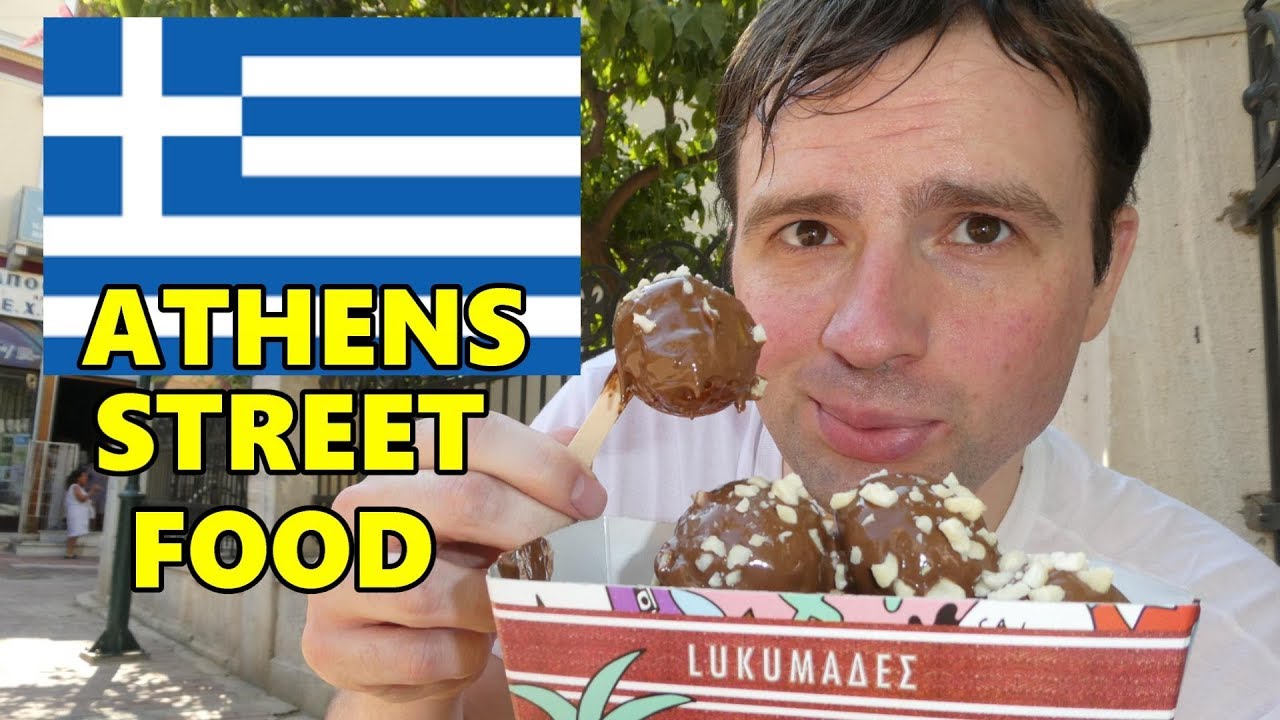
Greek Street Food. 10 Must Try Eats in Athens
Athens, Greece — trying the delicious, quick, and cheap Greek street food of the historical city.
Greek Dining Experience
A guide to understanding Greek restaurant names — and the dishes you'll find at each one.
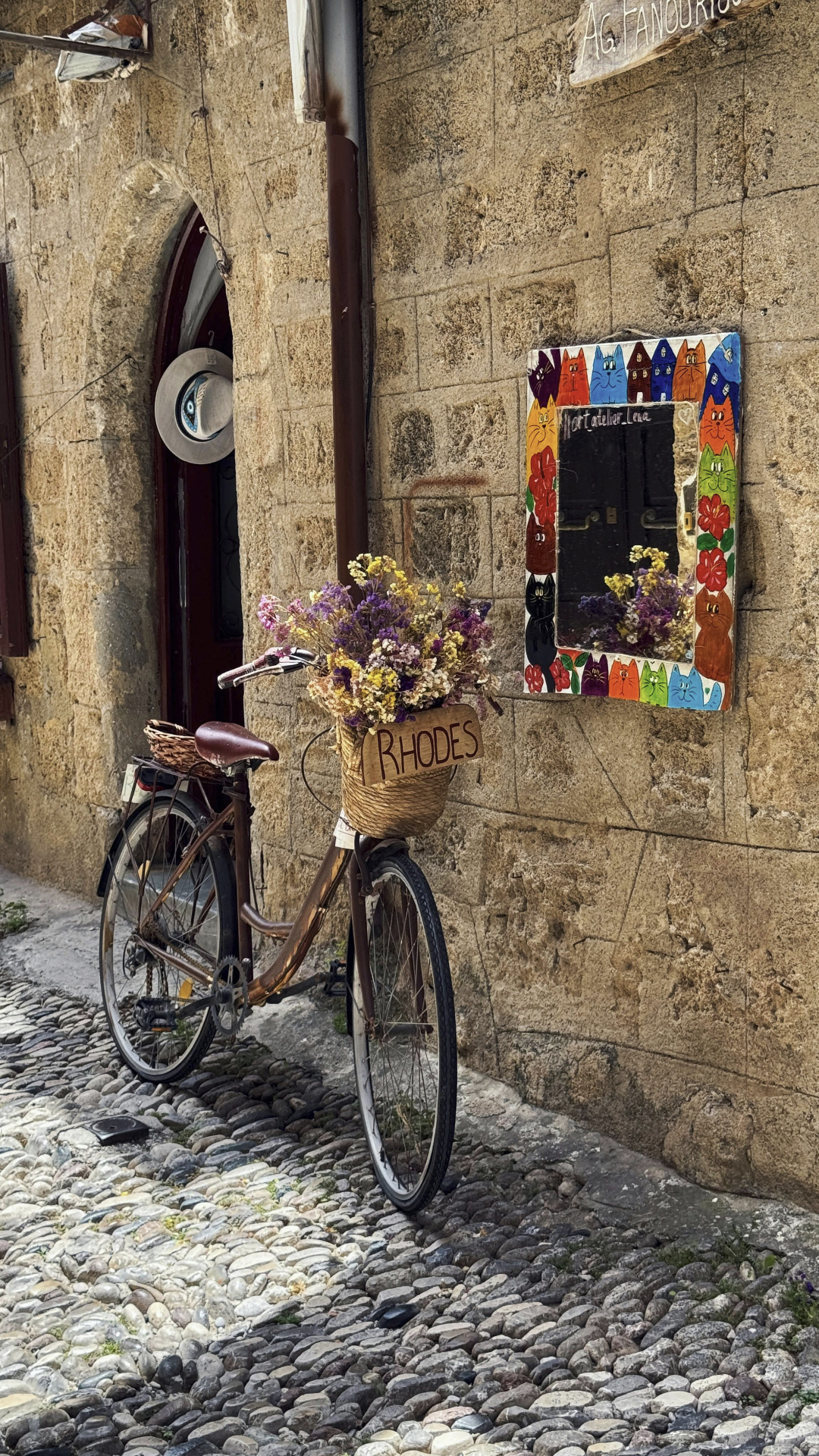
Shopping Adventure in Greece
Specialty shops offering unique Greek merchandise — from traditional crafts to modern souvenirs.
Planning the rest of the trip?
Browse every experience type, or start from where you are staying.