Crete, more than an island
By Photis · Greek Travel Guides
Some links are affiliate links. We may earn a commission if you book.
Crete is the fifth largest island in the Mediterranean Sea — a rare potpourri of nature, myth, history and modern sophistication.
Crete is more than an island that forms the part of Greece
It is the fifth largest island in the Mediterranean Sea. But more than its geographical location, what adds to the fame of Crete is its tag as a favored tourist destination and vacation spot in Europe. It is a rare potpourri of nature's splendor, wealth of myth, legends and history, and the sophistication of a fast paced 21st century.
The variety Crete offers includes stunning mountain villages, rocky bays, long sandy beaches and a thrilling nightlife
In fact, the list is never ending — its fishing and snorkeling vistas, archeological sites, scintillating tours and water sports galore provide a tourist with something to get engaged with all through the day.
From a tourist point of view, the must visit sites in Crete include:
- Heraklion — the capital, home to the famous Heraklion Archaeological Museum and the palace of Knossos.
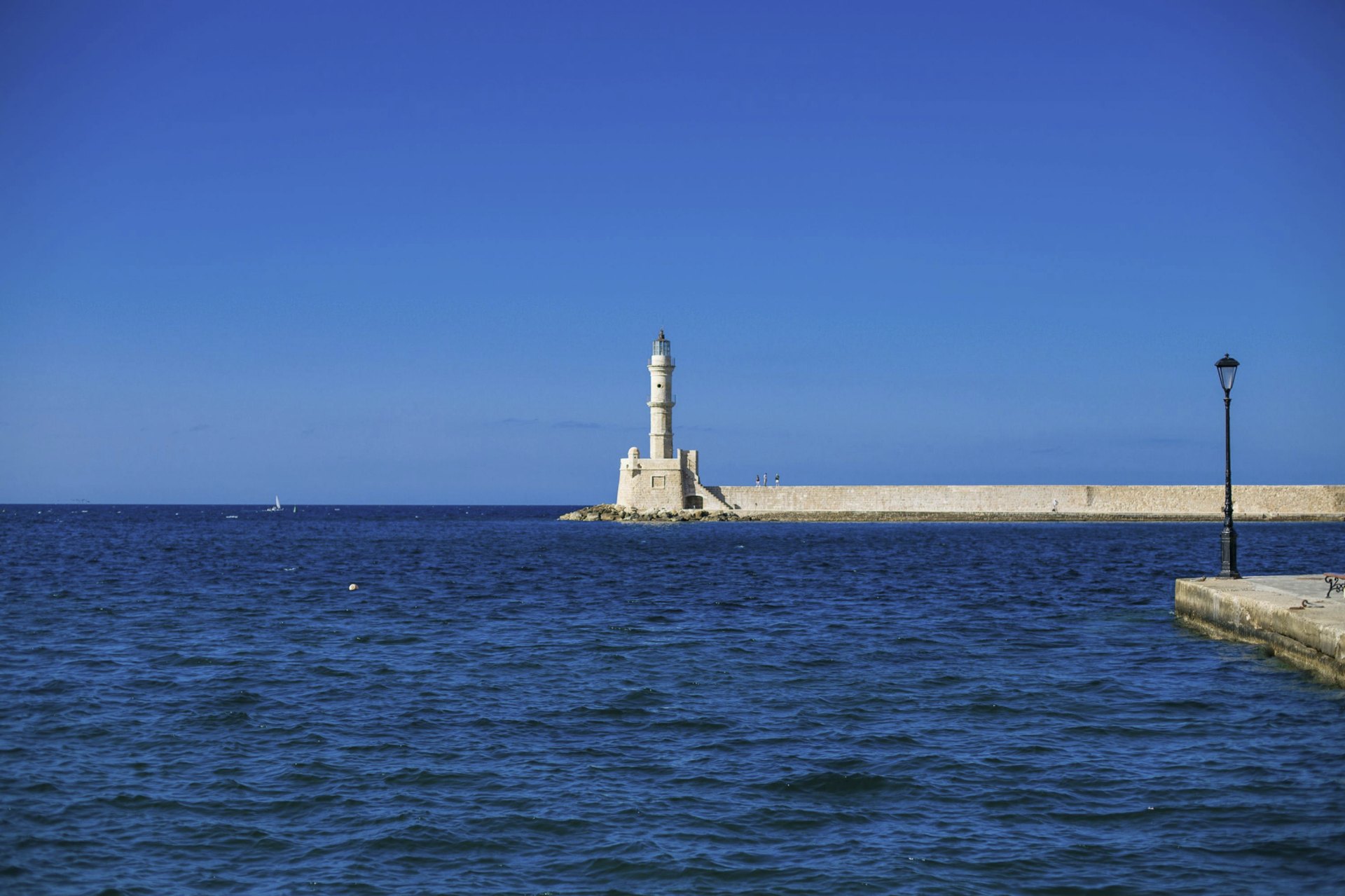
- Chania — featuring the old Venetian villages and harbor.
- Rethymno — a perfectly preserved old town with a Venetian fortress.
- Sitia — quiet, traditional, far from the mass tourism of the north coast.
For those who think that the most beautiful places on earth are the unspoilt lands, consider taking a short tour to Chora Sfakia — a tiny seaside village from which boats run along the south coast to Loutro and the Samaria Gorge.
Must-see beaches
- Balos Lagoon — pink-tinged sand and a shallow turquoise lagoon, reached by boat or 4×4.
- Elafonisi — soft pink sand on a tiny offshore islet.
- Falassarna — vast sunset-facing beach with crystalline water.
- Preveli — a palm-lined river meeting the Libyan Sea.
Crete deserves at least a week — and even then you'll leave wanting more.